Trade mark registration by industry
Your sector, your classes, your risks
What is worth protecting depends on what you sell. Find your industry for the classes that usually apply and the copycat risks that actually come up.
Start your application
Hospitality and food
Protect the name your customers remember.
For cafes, restaurants, bars and food and beverage brands, the name is the thing people recommend. A registered trade mark is what gives you the right to stop someone else using it, especially as you grow.

Construction and trades
The name on the van is worth protecting.
For builders, sparkies, plumbers and contractors, the business name is the referral. A registered trade mark is what stops someone else trading under it once it starts carrying weight.
Fashion and apparel
Your label is the product.
In fashion the name is not attached to the product, it is on it. A registered trade mark is what stops another label using it.

Health and beauty
A crowded shelf and a crowded high street.
Health and beauty is one of the most heavily named categories in the country. A registered trade mark is what separates your name from the dozen that sound like it.
Technology and software
You shipped fast. The name did not get protected.
Tech businesses register the domain, ship the product and get to the trade mark two funding rounds later. A registration is cheap early and expensive once the name has value.
Ecommerce and retail
The most copied names in the country.
Online retail is where copycats move fastest, because the whole shopfront is a name and a listing. A registered trade mark is the thing platforms and ad networks will actually act on.

Professional services
Years of reputation, sitting in one name.
In professional services the firm name is the track record. It takes a decade to build and an afternoon for someone else to register.

Agriculture
New Zealand provenance is worth protecting.
For producers and export brands, the name carries the origin story. A registered trade mark is what keeps that name attached to your product rather than someone else’s.
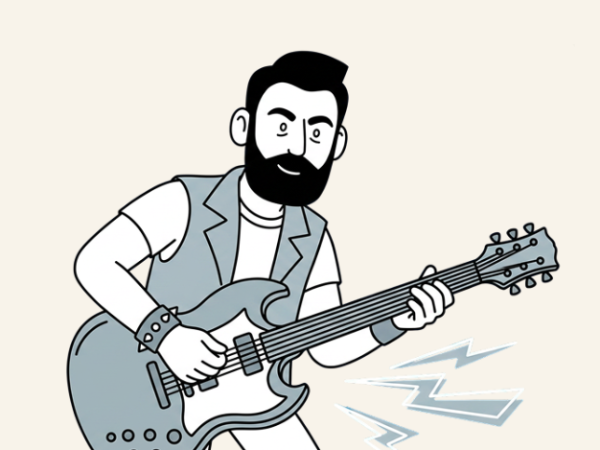
Arts and entertainment
The name on the poster.
Acts, festivals, studios and production companies live or die on a name people recognise. Registering it is what stops another act, or another festival, using it.
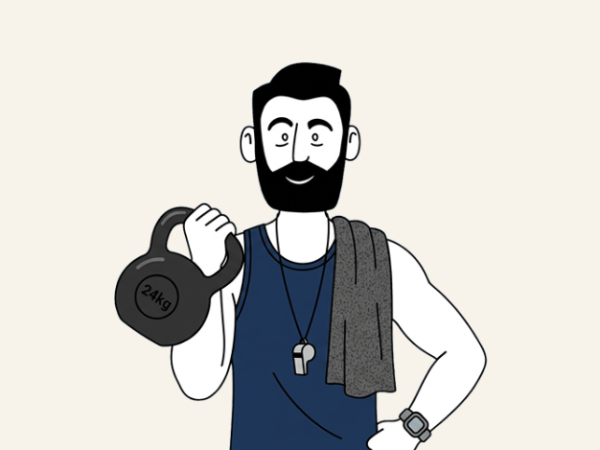
Fitness and wellness
Before you licence it, own it.
Fitness is a category built on named formats and locations that multiply. A registered trade mark is what makes a second site, or a licence, actually possible.
Not sure where to begin?
Start with the mark you want to protect.
Marky will guide you through the important decisions and explain where optional expert review may help.